


Directed by Pierre J. Secondi | Reviewed
by Rohan Bhattacharya
‘Machines;’ that is what we have become in this day and age,
and with the progress of technology and science, we might
eventually become even more machine-like. We are  already
a part of a much larger system, a system that churns our
minds and sucks out our emotions. In the end, what is left
is but a husk of what was previously a person with hopes and
dreams, and a resolve to find happiness in life.
Director Pierre J. Secondi with his short, “The Warziniek’s File” introduces us to a similar world, where things work out like clockwork, and where humans can be robbed of their identities with the click of a button. Pierre J. Secondi’s vision of the future is strikingly similar to what might happen if one had to create a realistic version of The Matrix. How would we lead our lives? And could we do anything out of the ordinary under the noses of our overlords, and not have them erase us from existence entirely? These questions are beautifully answered by the director with the help of a simple, but stunning plot.
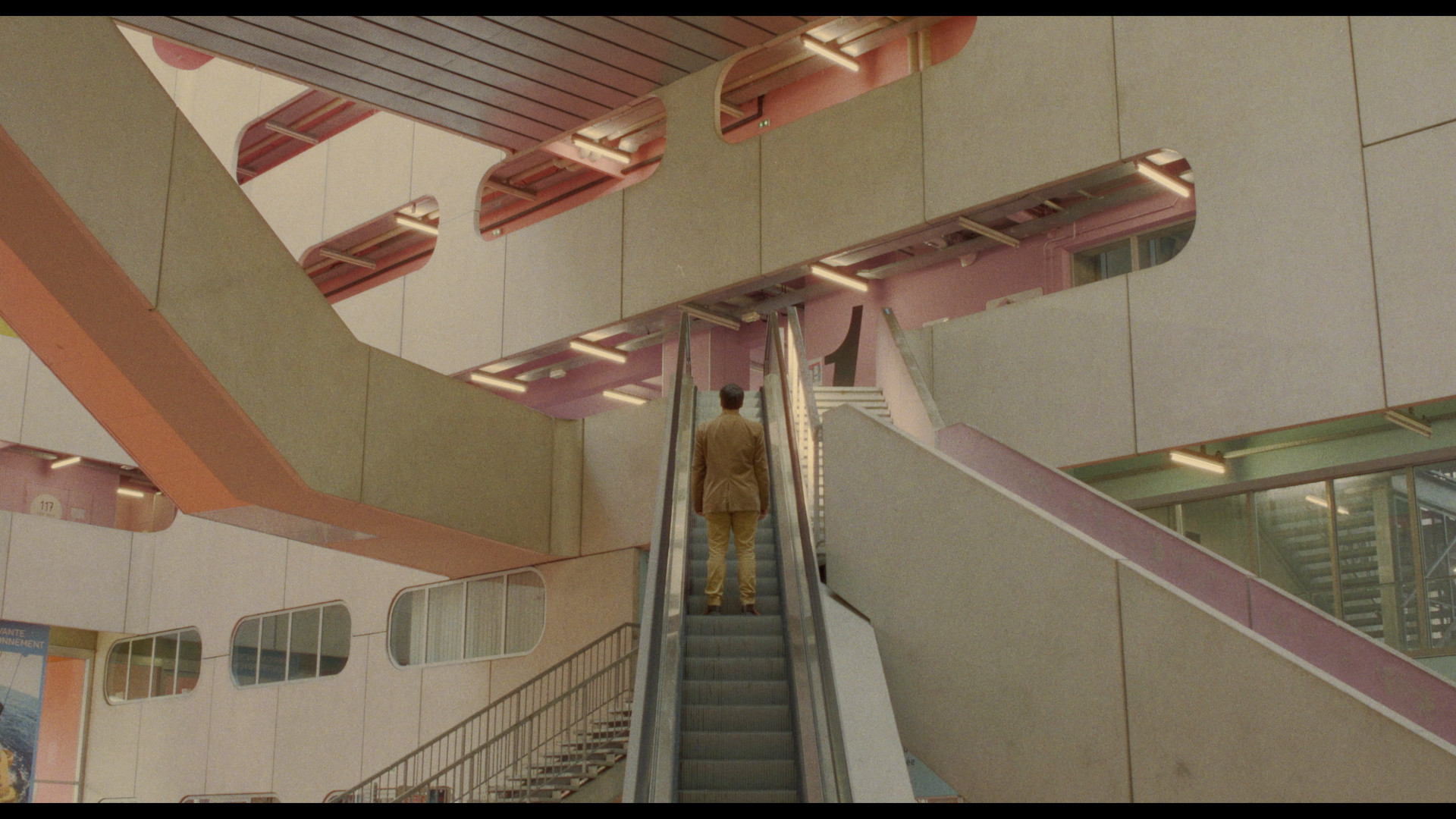
 Paul
Warziniek, or citizen 4.815.162.342, is living a simple life
until he receives an email informing him that he has
apparently been charged with parking tickets. As normal as
that might seem to many of us, the plot takes an interesting
turn when we realize that Warziniek never owned a car in the
first place. Naturally, he heads over to what seems like a
government administrative office to resolve this minor
error. What Warziniek didn’t expect was this minor problem
to become the greatest issue he has ever had to face his
entire life. A person who had entered the office a happy
man, never leaves the administrative building to see the
light of the day ever again.
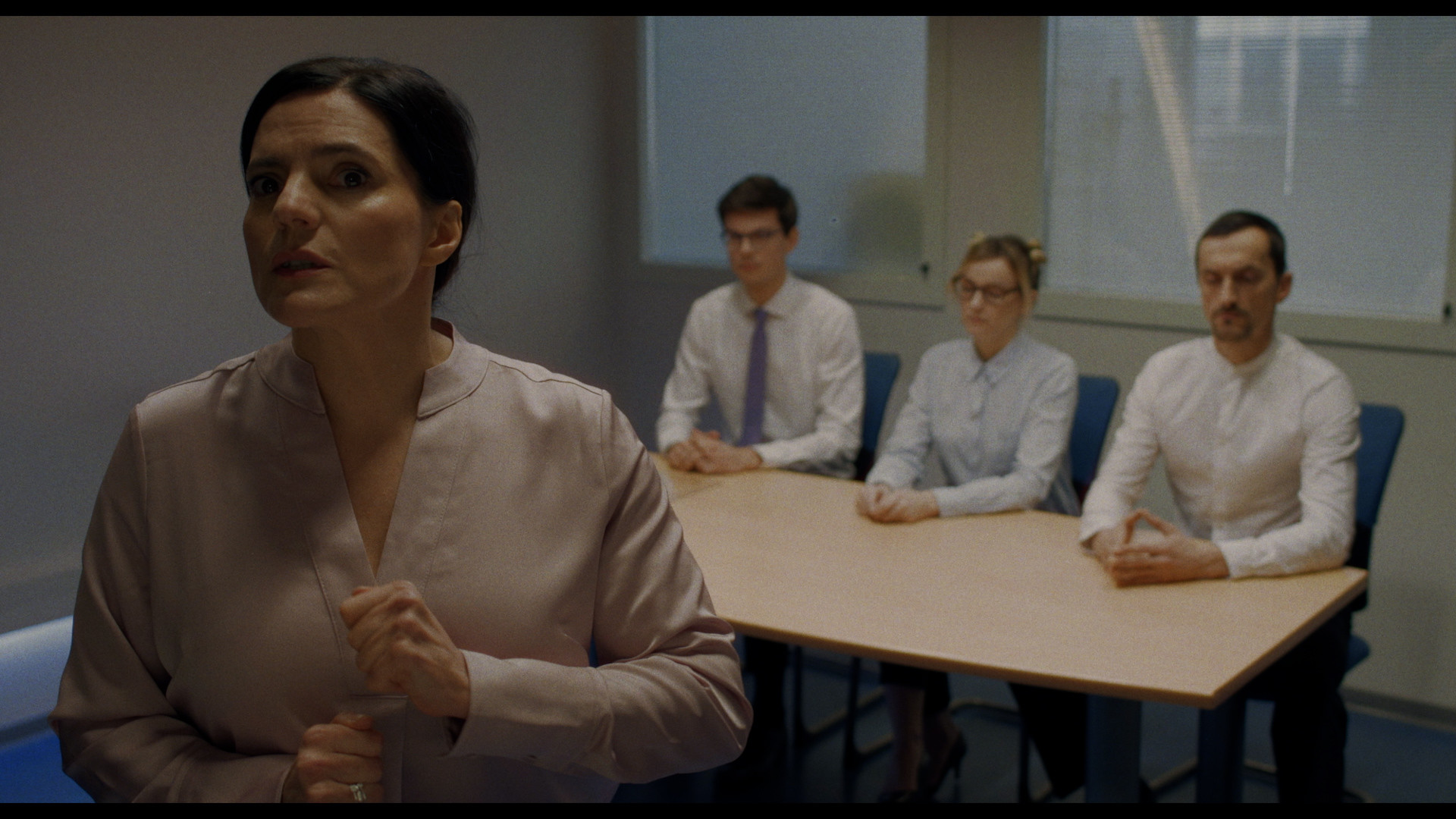
 Secondi’s
treatment of characters in his short film was truly
fascinating. The way he has handled a group of extremely
talented actors, and placed them in a setting that portrays
our current world and its problems in a hyper-exaggerated
manner is an extremely commendable feat. The exaggerated
expressions made by the cast, and the dialogues given to
them might seem unnatural when compared to how humans might
communicate in real life, but that is exactly what separates
Paul, our protagonist from the rest of the lot. Paul seems
like the only level-headed and logical person in an office
that should have reasoned with Paul, and helped him resolve
his issue.
It is fascinating how people in the government office are so obsessed with practicality and time that they would stop working if the clock were to malfunction, but they don’t seem to understand Paul’s problem because of their flawed chain of command. Paul Warziniek, a person a started out as the only sane person in a room full of robot-like humans could not retain his sanity by the end of it.
 As
for the cinematography, the short film was, by all means, a
treat to the eyes. The choice of colours and costumes to set
Paul apart from the rest of the cast and the environment was
remarkable, and well executed. The director was quite
literally able to alienate his main character in a world he
calls his home. The editing flowed extremely well; the
editor was able to bring about a life-like feel in their
rhythm with the excellent choice of shots to cut to.
However, at times it did feel like the selection of shots
were somewhat repetitive, especially in the reception desk
scene, when Warziniek was confronting the receptionist. The
repetition of over-the-shoulder shots felt monotonous at
times; the editor could have used a different shot to bring
about a visual change in that segment.
Furthermore, the sound-design was extremely well planned, and the visual effects nailed the mark! The film really did feel like it was made fifty years from now; excellent use of visual effects and amazing set design were able to help sustain the illusion of being in the future till the very end.
 Rohan
Bhattacharya is a video editor, filmmaker and
writer. His film Komorebi won the second prize in
‘South Asia Japanese Language Short Film
Competition,’ organized by The Japan Foundation, New
Delhi and his latest film “Tsubaki” has been
screened at the Tokyo Short Film Festival in Japan. His
production house Sunkaku Productions makes movies in
Japanese language to create a bridge of culture between
India and Japan.

