


Directed by Mohan Anandrao Dhuldhar |
Reviewed by Debopam Deb Roy
The film Ankur is a Marathi language short film from India
written, directed and produced by Mohan Anandrao Dhuldhar.
Completed in the month of October, 2021, Ankur runs roughly
for around 28 minutes in which we get to observe the
struggles of a shepherd 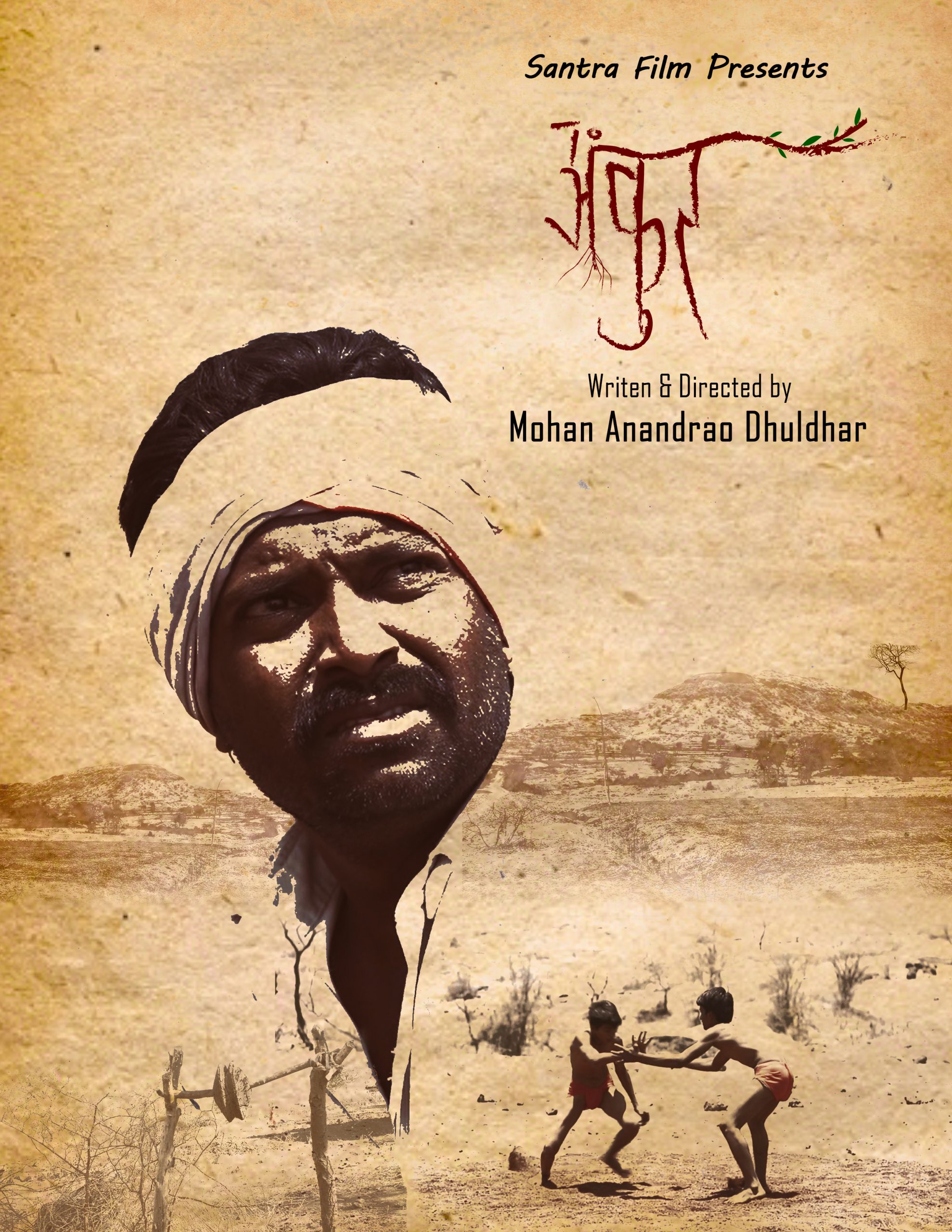 family
who toil day in and out trying to meet ends. The film
explores the rural landscape quite intricately via the help
of cinematic devices such as close-ups, tracking shots and
deep focus. The livelihood of a small family which depends
entirely on agriculture and pastoral farming has to go
through several hardships throughout the year. Even in a
standard economic year, the gross income from farming is
never enough to sustain a comfortable lifestyle, let alone
pursue their dreams. However, situations turn dire when an
entire village is affected by drought and the family is left
with no other option than to migrate to another location far
from home, just to win the daily bread. Climatic conditions
are turning for the worse as every year passes by and Ankur
stands out as one prominent work of art which shows us the
hazards of living a farmer’s life depending on Mother
Nature, quite skillfully.
 When
there’s scarcity of water, life becomes extremely hard to
sustain. Ankur is a brilliant depiction of how life becomes
difficult to sustain when a village is inflicted by drought.
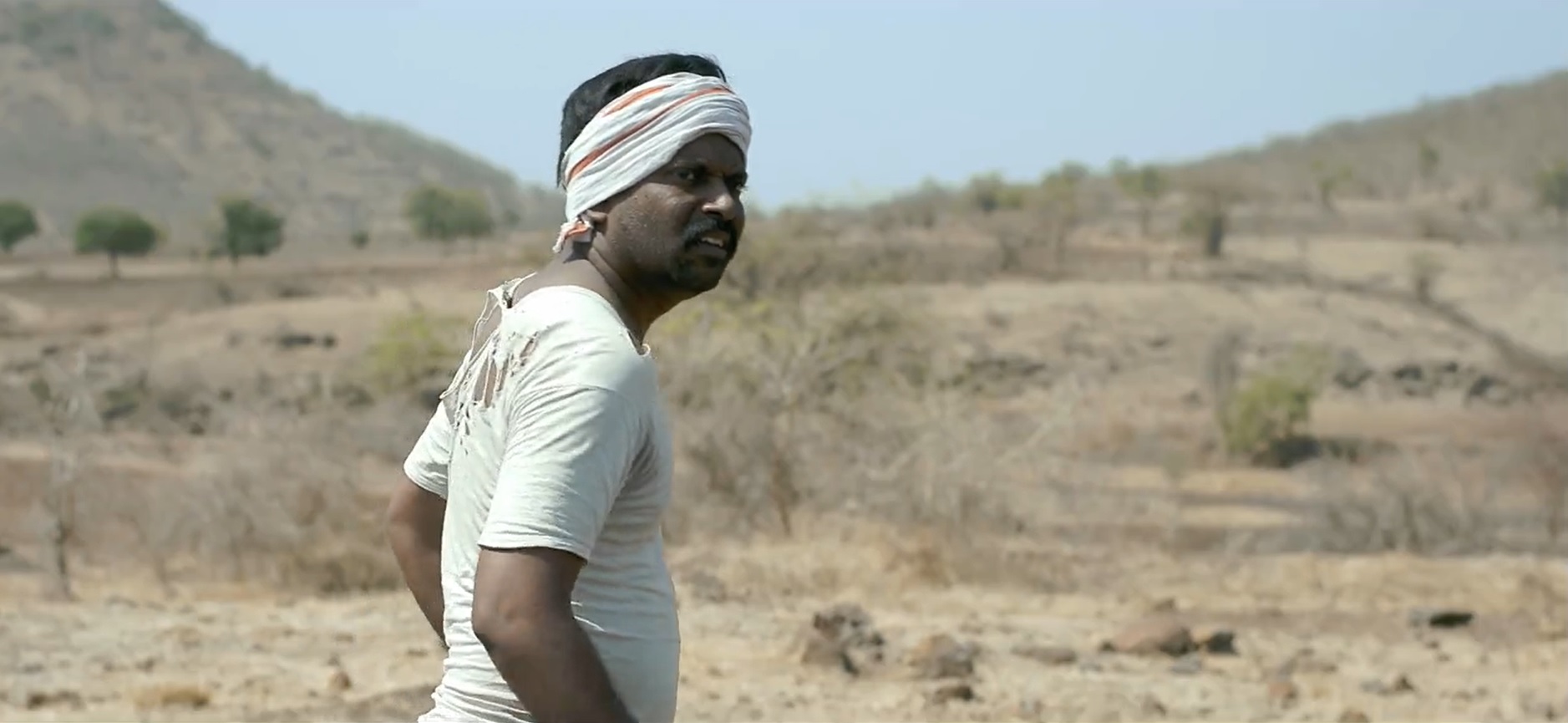
The striking images of a dried up abandoned well, the head
of the family facing difficulty in driving the plough
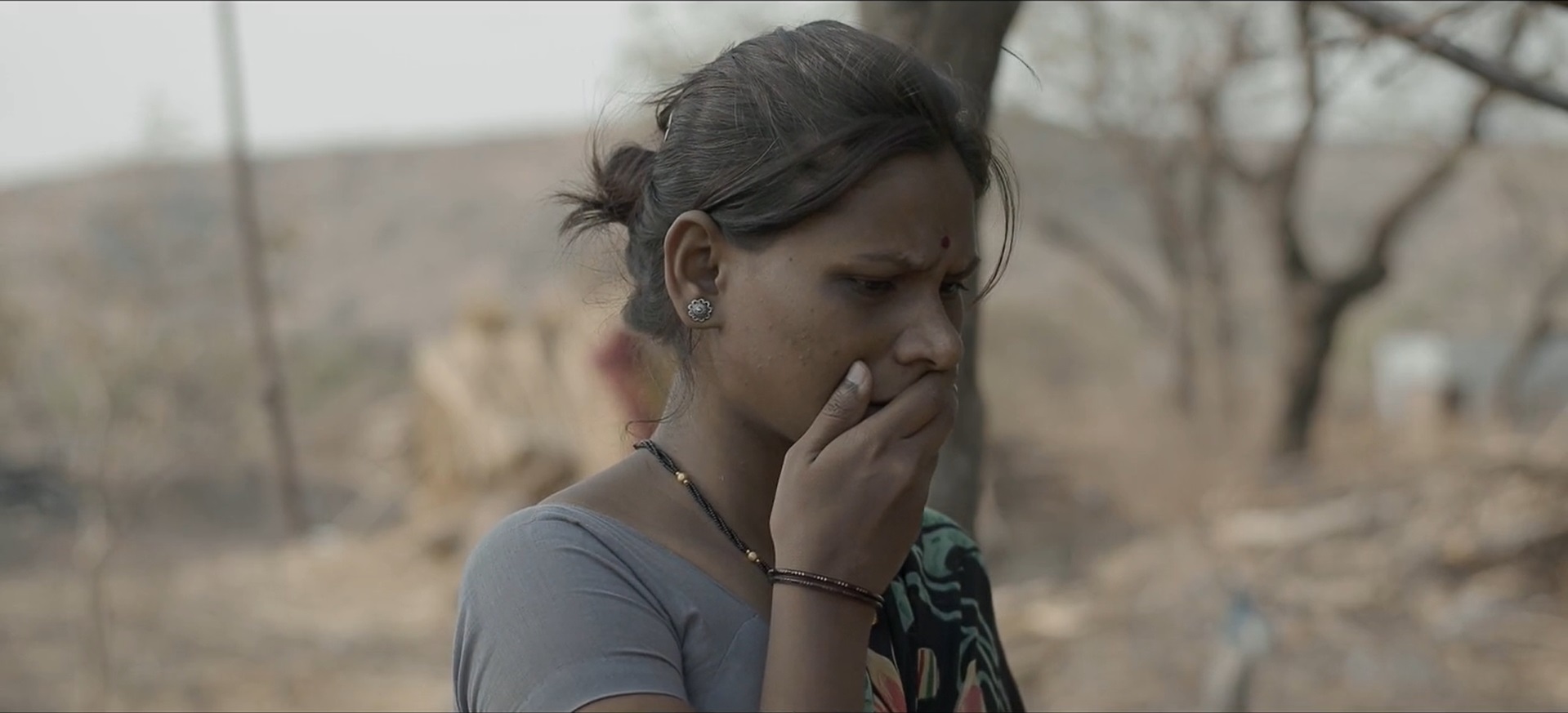
through the dry field, the wife carrying pitchers full of
water from far away are symbolic of their daily struggle.
Even the food that they eat merely consist of bread and
pickle of some sort. In one particular scene, we see the
entire family leave their food and run for water, just to
quarrel with the village folk for their respective share.
The family even start to consider migrating to Mumbai or
Pune to try their luck, but Digya is reluctant on leaving
his farmland upon which he had invested so much for years.
He tries to farm cotton plants, but all his plans end up in
vain. He is forced to take up the job of a daily laborer to
feed his family and as a result, leaves his family for a few
days. On the other hand, his son Dilip, a young adolescent
and a budding wrestler, wishes to pursue a career in
wrestling instead of following his father’s footsteps. He is
presented in the film as a boy who is innovative,
hardworking and passionate. The thought of earning money has
been instilled in his head from a very young age and
perhaps, this is the only reason he wants to become a
wrestler.
 Through
medium close-up shots of day-to-day objects to close-up
shots of facial expressions, the film takes us on a journey
into the life of the shepherd family. The camera goes from
observing life to entering Dilip’s dream and back to
reality, which is quite outstanding. The use of deep focus
in certain shots give us a clearer idea of how arid the
village actually is. Dried up trees, thorny bushes, dusty
fields and empty wells- all signify that life can be pretty
harsh when there’s no water. This spatial establishment
becomes more significant with the addition of extra diegetic
sounds like that of eagle’s screeching, sound of dry wind
blowing, other background music, etc. Another interesting
aspect would be how the sparring shots were filmed.
Throughout the film, most of the shots where we see Dilip
sparring with his opponents, are shot at night. Every single
sparring shot we saw, Dilip had to struggle to break free
from his opponent. It is only when Dilip decides to change
his own fate and work hard for the upcoming wrestling
championship, do we see him taking the upper hand at the
spar A successive number of shots are shot in daylight where
we see Dilip working out, but most of them being silhouette
in nature.
 The
film Ankur quite effectively underlines the recurrent
problems of the working class of India. One cannot help, but
sympathize with the characters in the story. Digya is an
embodiment of past ideals and is reluctant on listening to
his own son and wife. Whereas both Dilip and his mother
believe in trying something new for a change. The son and
the father are polar opposites and thus, share a strained
relationship. However, the film ends on a surprising note
which eventually resolves all constraints between them.
Ankur is an outstanding short film which definitely deserves
global exposure and can be presented as an example for many.
 Debopam
Deb Roy graduated from Jadavpur University with
Film Studies. He is currently working as a
Blogger/Reviewer/Unit production manager in Kolkata.

