


Directed by Hanane Bendisari | Reviewed
by Anushka Dutta
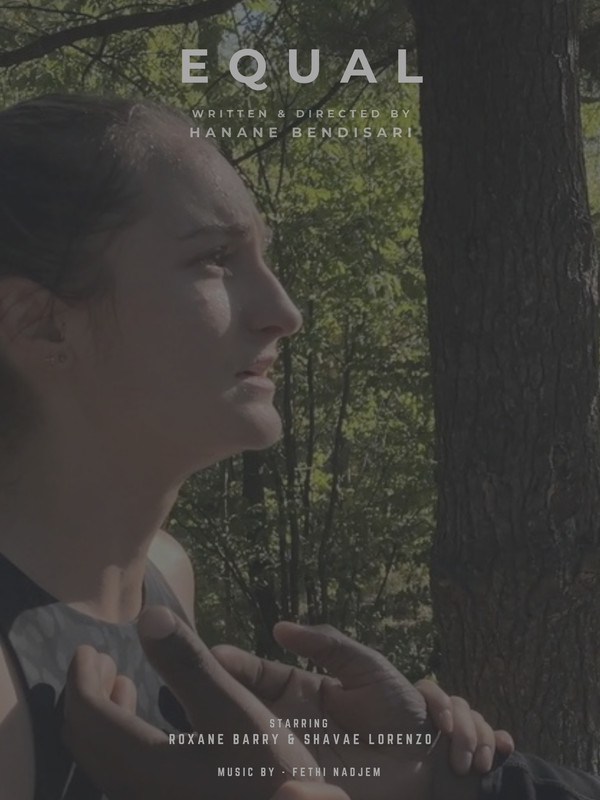
‘Equal’ is an arresting short film of one-minute runtime
directed by Hanane Bendisari, a transpiring self-educated,
individualistic and unconventional Canadian film director
and screenwriter. She has an ardent enthusiasm for working
with experimental films and investing in intriguing
storytelling. The primary motive of Bendisari’s work is to
meet her audience with social inhibitions. Her films aim to
be constructive, rewarding and fruitful. Through her art,
Bendisari aspires to challenge the taboos of
realities.
She does an exceptional and impressive job at directing,
writing and producing her first short film. She also stands
out as a first-time filmmaker with her distinguished skills
in photography, directing, editing and colour grading. The
transitioning from one scene to another is blended, pronto.
The filmmaker attempts to convey the theme of gender
equality through this one enthralling minute. As the title
itself suggests, this short film talks about how one need
not question their strengths, abilities and resolution to
achieve something “because or despite being a woman.”
 We, regardless
of our gender identities, social backgrounds, career
choices, nationalities and religion, are nothing, at the end
of the day, but human beings. We may not be able to relate
with someone in every aspect of their lives, but despite the
differences, what brings us ultimately together and unites
us, or should unite us, is the simple reality that we are
all but human beings.
The story revolves around an athlete running through the
crooked path between the woods, across devious routes and
stony ways. The first narrator tells us, not just in speech
but also in action, that the path to success may be
formidable – in fact, there will be ups and downs, we will
often be intimidated by the hurdles that lay before us, we
may contemplate giving up midway, but should we? ‘Equal’
heavily impacts us and leaves us pondering the importance of
believing in ourselves, believing in our worth, but more
importantly, believing that “we got this”.
 Roxane
Barry, the woman playing the athlete, dominates the majority
of the screen time. The film opens with a scene where we see
her tying her shoelaces, preparing herself for the run. The
run is to break the records of her coach, played by Shavae
Lorenzo, who anxiously anticipates whether she can really do
it. Through the course of the run, she tumbles down a dry
and dusty land, hurting her knees – signifying the
challenges we must face on the journey to our ultimate
success.
But the very next moment she picks herself up, for she has
set a goal in her mind, not as a woman, but as an athlete.
It is in this very scene where we see her standing up again
with the firm determination to meet her goal, the narrating
voice says “we got this” – perhaps more to the people in the
audience than to herself. The perseverance and willpower of
our protagonist move us thoroughly. Her tenacious
persistence has the potential to convince the viewer that
with the right inspiration and self-reliance, they too can
accomplish their dreams and ambitions.
The coach plays an important role in portraying the moral
support we need from the ones we look up to and the ones we
hold dear, but also in representing the shackles of male
chauvinism. After her record-breaking run, the athlete
needed more than the knowledge of it – what she needed was
also the respect, regard and admiration from the man who had
mentored her. The moment she completes the run and her coach
realizes that she had beaten his record, the immediate smile
on his face confirms his genuine pride for her
success.
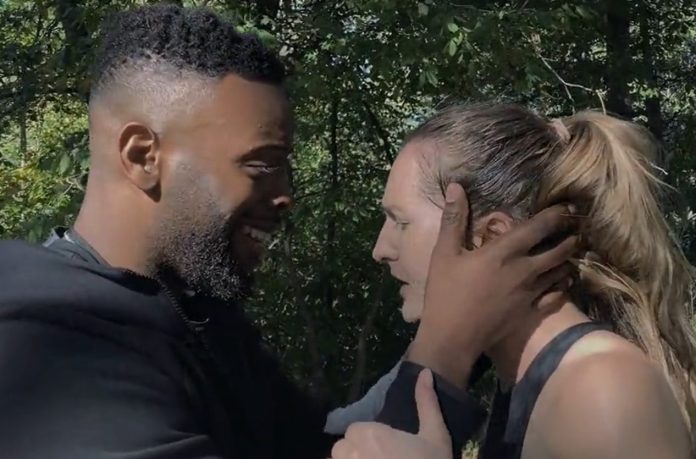
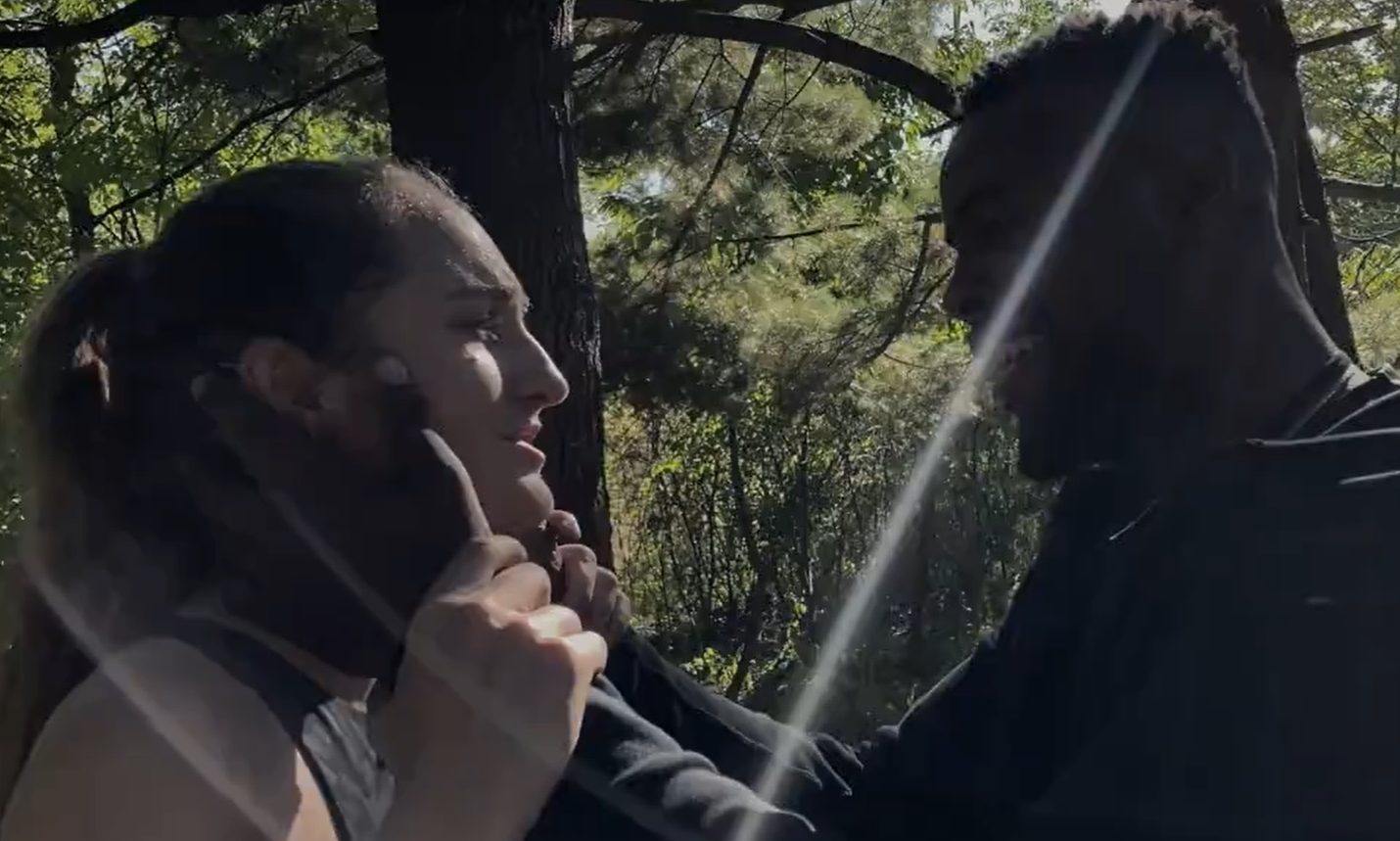
He runs up to her in the joy of their triumph and holds her
face in his hand. The ending scene, however, is not merely
to depict their victory. In the end, the coach says, “Now
we’re equal.” To which, the athlete takes his hands off her
face gently, looks him in the eyes and utters some very
powerful words – “No, Christian. We’ve always been equal.”
Here, we witness a change in his facial expression, perhaps
due to the sudden realization of his internalized notions of
patriarchy.
 Anushka
Dutta is a student of English Honours, and a
part-time content writer. A writer, singer and an artist;
they have worked as an ambassador for Japan Film Festival in
2020 organized in Kolkata, India. They are a professional
singer and have done playback singing in movies.

